
Summer in Echuca and Moama means backyard barbecues, visiting family, gardening and trips away. With more activity around the home, your taps, toilets, drains and hot water system can get plenty of use.
A few simple checks before the warmer months can help you spot small plumbing problems early. That dripping outdoor tap or slow kitchen sink might seem manageable today, but it is much less convenient when you have guests staying or are about to leave on holiday.
At Jetflo Plumbing Solutions, we help homeowners across Echuca, Moama and surrounding areas with everyday plumbing problems and urgent repairs. Here are seven practical ways to prepare your home for summer.
1. Check Outdoor Taps and Hose Connections
Outdoor taps are easy to overlook, especially when a hose stays connected for months. Before you start watering or cleaning outdoor areas, disconnect the hose and check the tap itself.
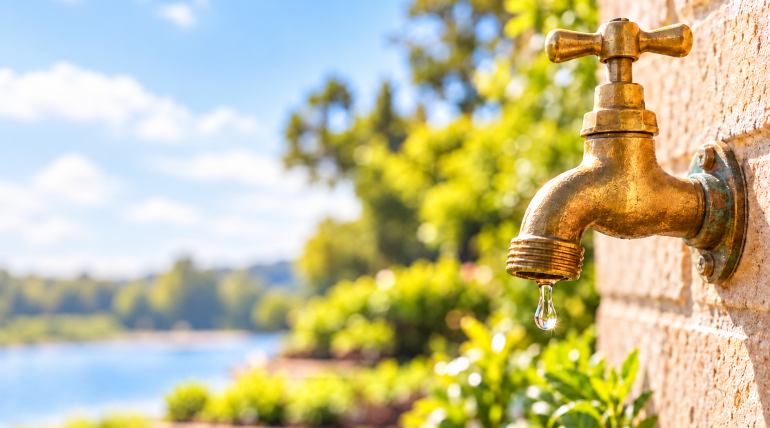
Look for dripping from the spout when the tap is closed, water escaping around the handle, or moisture where the pipe meets the wall. Check hose fittings separately so you can identify where the water is coming from.
A leaking connector may need a replacement washer or fitting. If the tap itself continues dripping, arrange a repair rather than forcing the handle tighter. Excessive force can damage the fitting without solving the underlying problem.
Check any outdoor taps you rarely use, including those behind sheds or along the side of the house. Persistent dampness nearby deserves attention, particularly when there has been no recent rain or watering.
Summer habit: Turn the tap off after using the hose rather than relying only on the trigger nozzle to stop the flow.
2. Watch for Hidden Water Leaks
Some leaks are obvious. Others remain hidden under floors, behind walls or underground until you notice water damage or a change in your water bill.
Possible warning signs include:
- Unexplained increases in water consumption.
- Damp cupboards or musty smells beneath sinks.
- Wet patches in the garden that do not dry out.
- Water sounds when no fixtures are being used.
- Unexpected changes in water pressure.
You can carry out a basic meter check by turning off taps and making sure water-using appliances, irrigation and automatic top-up systems are not operating. Wait for toilet cisterns to finish refilling, then record the meter reading.
Leave the water unused for a period and check again. A change may indicate a leak or an overlooked source of water use. This check can flag a problem, but it will not tell you where the leak is.
Jetflo’s leak detection and repair service can help investigate hidden leaks and determine the appropriate repair.
3. Keep Barbecue Grease and Food Scraps Out of Drains
Summer entertaining often means more dishes, greasy trays and food preparation. What goes down the kitchen sink can make a difference to how well your drains work.
Cooking fats and oils can coat the inside of pipes, trapping food particles and contributing to blockages. Running hot water alongside grease does not make it suitable for disposal down the sink.
Allow cooking fat to cool, collect it in an appropriate container and dispose of it with your household rubbish. Wipe greasy pans and plates before washing, and empty food scraps into the correct bin.
A sink strainer is a simple way to catch scraps before they enter the drain. Empty it regularly rather than rinsing its contents down the plughole.
If you are hosting visitors, keep a clearly accessible food-waste or rubbish bin near the preparation area. Making disposal convenient helps protect your drains during a busy barbecue or family gathering.
4. Deal With Slow Drains Before They Become a Bigger Problem
A shower that leaves water around your feet or a kitchen sink that empties slowly is worth investigating before guests arrive.
Start with simple, accessible cleaning. Remove hair from shower strainers and clear visible debris from sink plugs. Avoid pushing objects into the drain, as this can move a blockage further along or damage components.
Pay attention to whether the issue affects one fixture or several. A single slow basin may have a local blockage, while problems across multiple fixtures can indicate an issue further along the drainage system.
Other warning signs include repeated gurgling, unpleasant odours and water backing up into another fixture.
If the problem returns after surface cleaning, professional assessment can help identify the cause. Depending on the situation, a plumber may recommend a CCTV drain inspection to look for obstructions or pipe damage.
Act promptly: If wastewater is backing up, stop using the affected fixtures and contact a plumber rather than continuing to add water.
5. Check Toilets for Quiet, Continuous Leaks
A running toilet does not always make a loud noise. Water may trickle into the bowl quietly, making the problem easy to miss.
After flushing, allow the cistern to refill. Listen for continued hissing or trickling and look for movement on the surface of the water in the bowl. A toilet that refills periodically without being flushed may also need attention.
Worn seals or problems with the inlet or flushing mechanism can prevent the cistern from operating correctly. These issues are worth addressing before extra guests put the bathroom into heavier use.
Check around the base of the toilet and the visible water connection for moisture as well. Persistent wetness should be investigated rather than repeatedly wiped away.
Remind everyone in the household to keep wipes, sanitary products and other rubbish out of the toilet. Provide a bathroom bin so visitors have an easy alternative.
6. Pay Attention to Your Hot Water System
Even in summer, households rely on hot water for showers, washing and cleaning. Extra visitors can also expose a system that is struggling to keep up.
Check the area around your hot water unit for visible leaks, corrosion or unusual moisture. Notice whether water temperature has become inconsistent or whether the system is making unfamiliar noises.
Some discharge from a relief pipe can occur during normal operation on certain systems. However, a new or persistent flow, or a change from the system’s usual behaviour, is worth discussing with a plumber. Never block a relief outlet.
Follow the manufacturer’s servicing recommendations and keep the area accessible for inspection. Avoid storing items against the unit.
If hot water performance has changed, arrange an assessment before a busy holiday period. A professional can help determine whether the issue involves maintenance, a faulty component or the system’s capacity for your household.
7. Complete a Plumbing Check Before Going Away
A short inspection before leaving home can help you identify problems that should not be left unattended.
Look beneath kitchen, bathroom and laundry sinks. Check around toilets, the dishwasher and the washing machine for moisture, staining or a musty smell.
Inspect visible appliance hoses for bulging, cracking, rust on braided coverings or leaking connections. Arrange assessment or replacement if you notice deterioration.
Locate your main water isolation valve and ensure it is accessible. If you are considering turning off the water while away, first check how this could affect irrigation, automatic systems and your hot water unit. Ask your plumber if you are unsure.
For longer trips, consider asking someone you trust to check the property. Leave them your contact details and your plumber’s number so they can respond if a problem appears.
Book Your Summer Plumbing Check With Jetflo
You do not need to wait for a burst pipe or blocked drain to arrange plumbing help. Addressing a dripping tap, running toilet or recurring drainage issue early can make summer at home more comfortable.
Jetflo Plumbing Solutions assists homeowners across Echuca, Moama and surrounding areas with general plumbing, leak detection, burst pipe repairs, blocked drains and hot water systems.
Whether you are preparing for visitors or heading away, contact our team to discuss your plumbing concerns.
Call: 0401 222 231
Email: jetfloplumbingsolutions@gmail.com
Contact Jetflo Plumbing Solutions


